I came across a bottle of water left outside overnite, below freezing temps, and it was not frozen. I had never seen or heard of this before and was completely flabbergasted. Now, a little less so.
Mentioning freezing and the water crystals made me remember a video I watched that talked to a researcher in the UK, James Lovelock, that managed to get it to work with small mammals back in the 1950s. The idea of space travel is just a disaster waiting to happen. I think that's why space horror works on me so well.
I made superboiling water the other weekend. After the water boiled up, i turned it down, because i wasnt finished with the rest of dish. then i i turned it up again, and after a few minutes it still didnt boil, i put some salt in the water for the noods, suddenly it started to boil wildly in an eyeblink. thought okay maybe its because salt lowers the boiling point, googled it up, nope, salt increases the boiling point.
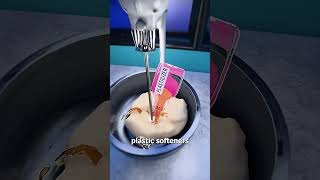
I recently got some popsicles for my kids. Those kind that have juice in a tube. I left them overnight and was surprised that apparently half the bag hadn't frozen... Well, when I realized they'd super-cooled I quickly brought over my kids to watch as we took them out, squeezed one side, and saw the ice spread across the length of the tube.
It was a fun little moment to show an interesting physics thing, and they're still young enough to be amazed by little things.
I used to have a very old terrible refrigerator. Its one redeeming quality was the freezer kept things just below freezing. If I was careful not to jiggle the container it was the best coldest water I've ever had. I was actually a little sad when it got replaced
Wonderfully explained. A great follow-up to this is antifreeze proteins, the type you find in the body fluids of animals such as polar fish and wintering insects surviving below freezing temperatures. These proteins have evolved to bind to the surface of internal ice crystals, thus increasing the local curvature like a Chesterfield sofa. Nature's elegant solution to a freezing problem.
This reminds me of my family’s manky old fridge, which would passively supercool the filtered water in it (so it would freeze upon hitting the ice in my water bottle, making a little ice tower), but also somehow managed to not keep the freezer below freezing? A mystery of engineering lost to time.
We use cookies, device fingerprinting and cross-device tracking to personalise content, serve targeted advertising, and analyse how you use our site across your devices. By clicking Accept all you consent to the use of these tracking technologies. Your data may be used to build a profile of your interests and show you personalised ads on other sites.
Privacy policy





















Comments (20)
Daily Junction discussion mixed with clearly attributed comments from the original video provider.
Join in — free. Comments on Daily Junction are for members, so real names stay rare and bots stay out.
One field. We email you a 6-digit code — no password needed. Your comment is kept while you do it.
Under 13? You’ll need a parent’s OK first — it takes them one click.
It's like the square cube law for water.
It was a fun little moment to show an interesting physics thing, and they're still young enough to be amazed by little things.